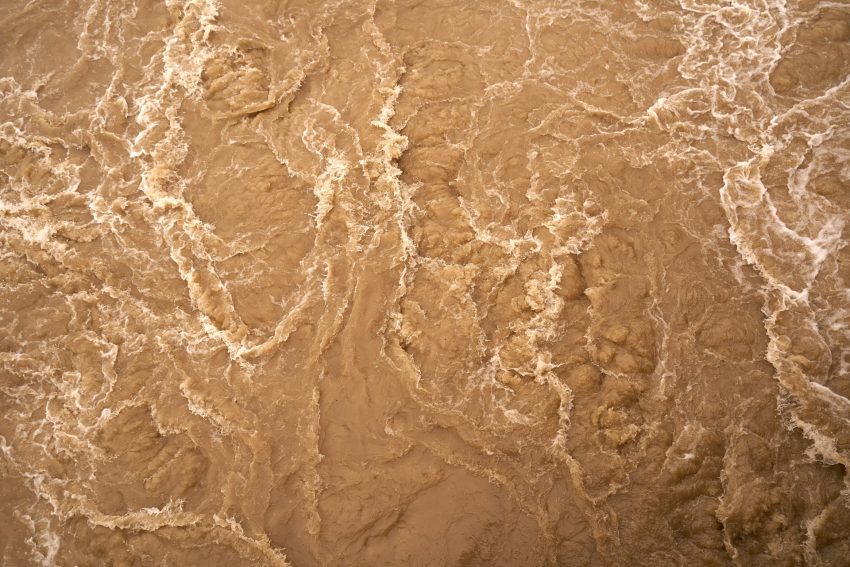
Floods
Floods. This is when water abnormally gathers in an area that is usually dry. Well, the same thing is happening in Ghana this year. Somewhere in May, heavy rains hit many parts of the country. The heavy rains caused a lot of flash floods in many towns and city areas. Flash floods are usually the ones that occur suddenly, often without warning and usually due to heavy rain. Floods aren’t new. We hear and see them every year.
However, at some point, one has to wonder, apart from the damage it does to individual homes and businesses, how is it bad for everyone else, apart from those who are affected? UNDP has revealed that Ghana loses over GH₵300 million annually to floods and related disasters, with the Greater Accra Region alone accounting for nearly GH₵200 million of that figure. Okay, but still, how does it affect me? My place is still dry.
Channel One: Agriculture
Let’s look at a simple cause-and-effect. Floodwater sometimes destroys farms. Destroying the crop means that farmers harvest less than expected or nothing at all. When the flood destroys pastures, it means livestock have less to eat. Pastures are areas of land that are covered with grass. In some situations, even livestock can drown in floods. These losses affect only a few farms, so they may not seem alarming, but the danger lies in their compounding effect. The compounding effect is when you combine all these losses over time.
Think years. Yes, over the years, they can lead to a decline in food production. What does a decline in food production mean to a country? Imagine if you get less harvest or none at all because of flooding every year. It means a country is gradually unable to produce enough food to feed its population. The food supply is down. What happens when supply is low but the demand stays the same? Prices will eventually rise. Your food becomes expensive.
Channel Two: Productivity
Now, here is another thing to consider. You have witnessed cases where flood waters have damaged bridges and roads. Let’s overlook the obvious, which is that the government will have to spend another set of money to fix it and talk about the movement of goods and people. Modern economies are interconnected. Imagine your neighbourhood is perfectly dry, there was heavy rainfall, but no flooding. However, a major road used by trucks carrying tomatoes, rice, fuel, or other goods is flooded. Transporters may have to take longer routes, which means they spend more on fuel than planned. In addition, they may have to pay drivers for extra hours on the road.
These additional costs do not just disappear. They are often added to the final price of goods. As a result, even someone living and working in an unaffected area may end up paying more at the market, fuel station, or shop. This is just one part of the whole equation. There is a whole lot, unfortunately. For example, think about daily wage workers, self-employed traders, and artisans, with no sick pay and no safety net. These people rely on the income they earn daily to sustain themselves and their families. Now, imagine they have to shut shops because of floods.
Conclusion
In the end, yes, you might be dry, but if this goes on for long, your pockets will eventually also experience the dryness.
Photo by Wolfgang Hasselmann on Unsplash
Discover more from ONE PAGE ECONOMICS
Subscribe to get the latest posts sent to your email.

Great content! Keep up the good work!
Thank you ExoWatts!