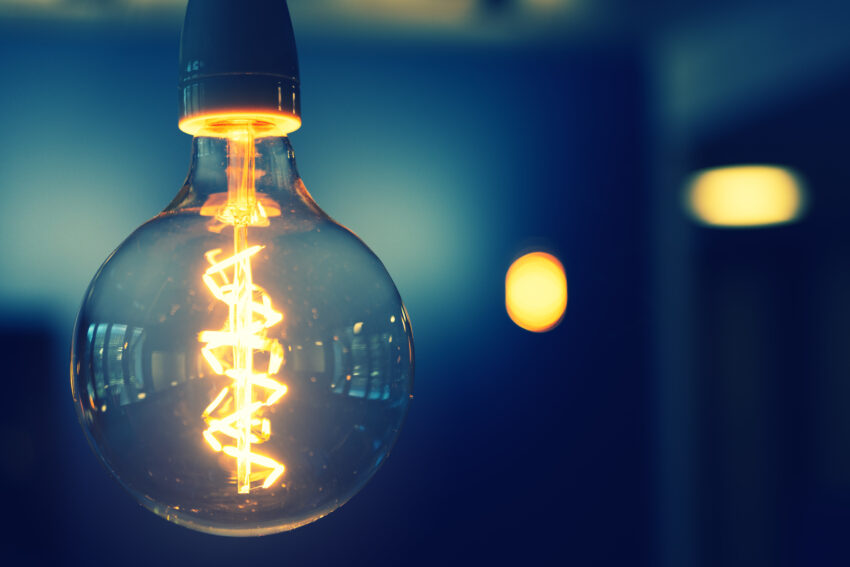
What happens next: rationing
When supply dropped suddenly and the demand stayed the same. Unfortunately since there is not enough power, the grid cannot serve everyone simultaneously. The result is everyone takes small small so it can go around. That is what is called load shedding. Operators rotate outages across areas to protect the grid from total collapse. Some areas lose power for six hours while others have power for the same time. Then it switches, so we manage the drop in supply.
What this means for your pocket
Unfortunately the load shedding is essential, but has a lot of consequences especially if it is prolonged. One of them is the effect on businesses. For example, I don’t like warm water. I prefer it chilled especially in this hot weather. If the business is also experiencing load shedding, it can’t always have chilled water. Me, like many others, like it chilled, so if you don’t have, we will get it somewhere. Businesses need to make sales to survive so some will definitely use generators. You also know businesses price based off their expenses, so at the end of the day the generator fuel costs get passed onto you. You go and buy the chilled water and it’s now GHC 6 instead of GHC 5. Inflation again.
One fire. One control room. One quarter of national generation, offline.
720MW is not a small number. It just looks like one until you understand what it sits on top of.
The good news? As of publishing, engineers have found a way to reroute Akosombo’s power around the damaged substation and back onto the national grid. Two of the generation units are already restored. The lights are slowly coming back on.
Discover more from ONE PAGE ECONOMICS
Subscribe to get the latest posts sent to your email.

Dumbed so down that even a nobbin like me could understand. This is a great piece, dude.
Thank you Arthur! I am glad I could deliver!