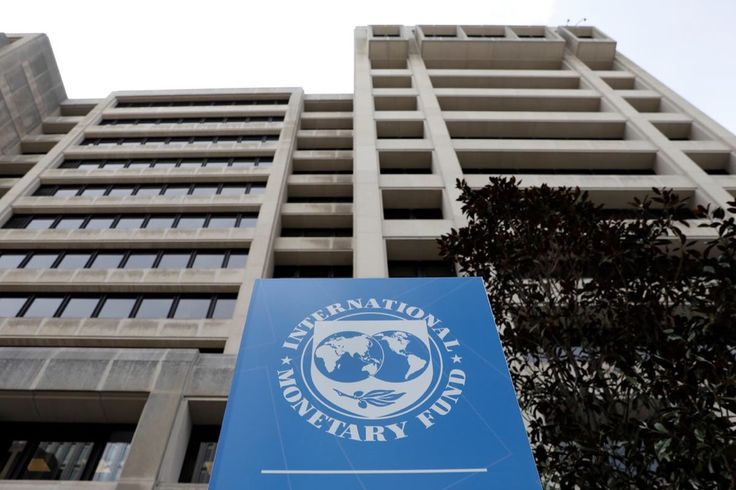
Ghana is on its way out of the IMF. But do you know what the IMF is, or why we ended up there? In this piece, we go back to where it all began, explain what really happened to Ghana’s economy, and break down what this exit means for your everyday life. The story is not over yet.
What is the IMF?
The IMF was born out of catastrophe. As World War II was nearing its end, much of the world, especially the European and Asian countries that participated in the war, was in ruin. Countries were broke, some currencies lost a lot of value, unemployment was everywhere, businesses were going bankrupt, and there were severe shortages in food, clean water, shelter, electricity and even soap. You can imagine. It was really bad.
What happened next?
Looking at all this chaos, leaders from about 44 countries around the world came together at Bretton Woods, New Hampshire, in 1944. They asked themselves: how do we prevent this from ever happening again? Their answer was to create two institutions: the World Bank and the IMF. Our focus today is on the IMF
Here’s what really scared them. In the 1930s, countries were already struggling through something called the Great Depression. To get an advantage over others, many started deliberately weakening their own currencies because a cheaper currency makes their exports more attractive to foreign buyers.
It’s like we are all selling tomatoes in the market, and because of the hardship your family is facing, you reduce your price so that more people will buy from you. But it kind of backfired. When one country did it, others followed. Then the first country did it again. It became a race to the bottom. Nobody won, trade collapsed worldwide, and the situation got even worse. The IMF was created partly to stop that kind of chaos from happening again. Today, it achieves this by monitoring the economies of all its 191 member countries and advising them when things are going wrong. It helps countries build the skills and systems to manage their own economies better, and when a country hits a serious crisis and can’t meet its financial obligations to the rest of the world, it steps in with emergency loans.
Why is Ghana leaving the IMF?
In 2022, Ghana experienced a crisis. Remember when prices were jumping like crazy? For a long time, the government of Ghana borrowed money to run the country. Like every country, Ghana borrowed money to fund roads, schools, salaries and projects. The problem was not borrowing itself. The problem was whether we could keep paying it back. At some point, what we owed was getting too big, and the way we were managing our affairs was not encouraging. The people lending the money were watching and were nervous. We had to either stop borrowing or borrow at a higher interest rate. This is where Ghana was in 2022. So we went to the IMF to help us out.
Did they agree?
The IMF agreed to help, but with strict conditions. Ghana had to cut government spending, manage inflation, and fix how public money was being handled. While doing all this, we had to report back regularly to show progress. That is the IMF review we kept hearing about in the past. It was painful in the short term. But it worked. Inflation has fallen, the cedi has been performing well, and our debt levels have dropped. Now, international lenders are willing to do business with us again. Ghana met its targets, and on May 15, 2026, we completed the sixth and final review of the IMF programme. That is the last hurdle. It means Ghana has done everything the IMF required, and we are on our way out. But the thing is, we didn’t completely cut ties with the IMF. We moved into a new arrangement where the IMF stays involved as an advisor, without giving us loans or telling us exactly what to do. Think of it like finishing school but still calling your teacher when you’re stuck. The real question now is what this all means for you.
How does it concern me?
Here’s the simple truth. The government had been spending beyond its means for a long while now. This was one of the things that led to the crisis. Leaving the IMF programme means Ghana is doing the right things now. Based on this, prices for goods and services should not rise as rapidly as they did during the crisis. However, the IMF made several other recommendations, like what they call the Policy Coordination Instrument and the private sector participation in ECG, that will have their own direct impact on your pocket. We will break those down here as they start making the headlines. For now, the simple takeaway is this: the conditions for a better life are in place. Whether they hold is the story we’ll keep telling here at OPE.
Discover more from ONE PAGE ECONOMICS
Subscribe to get the latest posts sent to your email.