- Ghana’s move to join BRICS can help stabilise the cedi, attract investment for local factories, lower cross-border trading costs, and create new jobs.
- It can also give Ghana access to alternative infrastructure funding through the New Development Bank and a stronger voice on the global stage.
- However, some people warn that without strong government protections, local small businesses could be crushed by a flood of cheap imports.
Early this October, the Minister of Foreign Affairs announced that Ghana’s Cabinet has approved Ghana submitting a formal request to join BRICS. He also mentioned that Ghana intends to join BRICS as a Partner Country. If this request is approved, it could mean access to funding from the New Development Bank. It could also mean keeping our currency stable among all others. All these sound very promising, but at the end of the day, how does it concern you?
What is BRICS
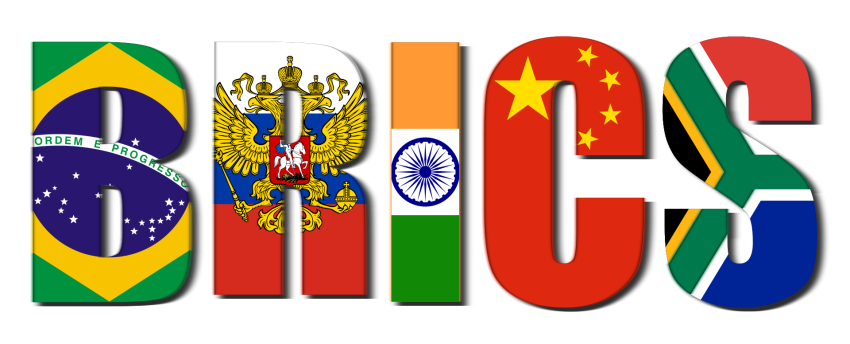
BRICS is an organisation made up of countries. The countries in this organisation are either rapidly catching up with wealthy nations or low-income countries striving to grow and modernise. The goal of this association or organisation is to work together toward shared economic, political and cultural goals. It also serves as an opposing force to global institutions like the IMF and World Bank that are heavily influenced by countries in North America, Europe and Oceania.
The organisation was formed officially in 2006, when the foreign ministers of Brazil, Russia, India and China held their first meeting in New York. The name changed to BRICS when they agreed to include South Africa in 2010. The membership stayed like that for a while till January 2024, when other countries slowly began to join.
Why does Ghana want to join?
The minister stated several reasons for this decision. The first is that joining BRICS offers Ghana new options for development. This means that alongside Western institutions like the IMF and World Bank, we can access alternative sources of funding for local infrastructure projects. Secondly, Ghana wants to achieve resource sovereignty. We want to switch from simply exporting raw materials to processing them at home. Joining BRICS serves as a way to invite other nations to invest in our factories as we build up our mineral processing capacity.
Experts also agree that the decision is highly strategic. Ghana cannot realistically join elite, Western-dominated forums like the G20, and even if we were admitted, we could not expect to be treated as an equal partner. Joining BRICS provides a practical way to elevate our international status. Moreover, Ghana hosts the African Continental Free Trade Area (AfCFTA) administrative office. This partnership gives us a significant strategic advantage during negotiations. It successfully positions our country as the main industrial gateway to the broader African continent. What seems obvious from all this is that the decision is a strategic move to secure both financial independence and geopolitical influence on the global stage.
Not everyone agrees with all of these reasons, though. Some say Ghana’s non-aligned stance will be affected if we join BRICS. Others say that without a solid plan, we are opening ourselves up to exploitation by more powerful countries. This has even led some to demand a breakdown of the possible future effects before making any commitments.
How does it concern you?
If you are a business, especially one that relies on importing raw materials or trading across borders, joining BRICS could potentially reduce your transaction costs. If you are an individual, it could possibly mean cheaper goods. Also, as time goes on, new investment from these member countries could mean that local industries will grow and possibly create more jobs for more people. However, all these are “possibly”. One reason for that is that if the government fails to protect local markets, small business owners and traders might face intense competition from cheap imports, which could hurt local livelihoods instead of helping them.
Don’t forget to subscribe! You can also join our WhatsApp Community by clicking here
Discover more from ONE PAGE ECONOMICS
Subscribe to get the latest posts sent to your email.