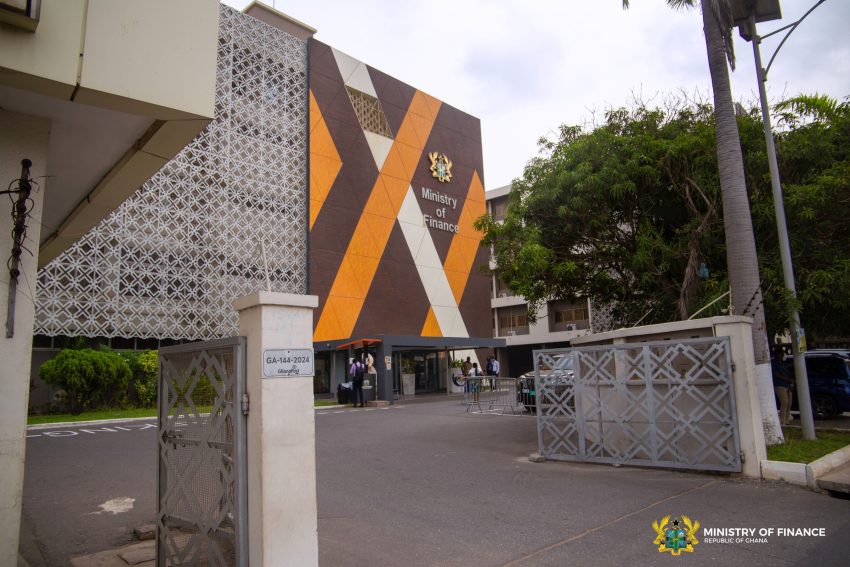
On Monday, July 6, 2026, the Ministry of Finance announced that Ghana had settled a $700 Million Eurobond. What is that, and how does it concern you? Let’s break down the letter and see how it affects you.
What is a Eurobond?
First of all, the name Eurobond is very misleading. It doesn’t always mean the thing is from Europe or associated with Europe. I’ll explain. The Government sometines need foreign investment to fund the building of schools, hospitals, roads and other projects. The way they obtain this money is by issuing what we call bonds. A bond is generally a loan contract. In this case, the government prepares a contract that states the amount they want to borrow, how much interest they will pay, and when they intend to pay back the loan. The “Euro” part of “Eurobond” just means that the loan contract is to get money from foreign investors, not the local ones.
Eurobond Debt Exchange Programme
We are all aware at this point that governments sometimes borrow money to fund a lot of projects. However, back in 2022, we were finding it hard to borrow. Why? We had borrowed so much over the years that investors began to worry. They were worried we might struggle to repay our debts. So, their confidence level in us fell. Borrowing more from them became practically impossible. That’s part one
In addition to not being able to borrow, we still had to pay back the previous loans we took, plus interest. If we tried to pay everything according to the original schedule, our finances would be under a lot of pressure. This is where the story of the IMF comes in. You can read more on that here. However, with the help of the IMF, we entered negotiations with our international investors. Generally, that involved them accepting lower interest payments or waiting longer for their money. This is what is known as the Eurobond Debt Exchange Programme. We revised the loan agreement to reduce the financial burden on the country.
Back to the Present
The US$700 million announced by the Ministry of Finance last week is one of those scheduled repayments under the new agreement. The payment included US$525.2 million in principal, the amount originally borrowed, and US$174.8 million in interest. By making this payment on time, Ghana is sending the signal that it is keeping the promises it made under the debt restructuring agreement.
How does it concern you?
Directly, not really. The prices of the things you buy or intend to buy stay the same for the foreseeable future. There’s, however, a slower-moving benefit. Paying ahead of schedule tells investors that Ghana is very serious about paying back the debts it owes. That seriousness matters because it shapes how expensive it is for Ghana to borrow the next time. Investors who trust that Ghana pays on time charge lower interest. Lower interest means less of the national budget swallowed by debt service, and more room to invest in the things that do reach you directly, like hospitals, good roads, and schools.
Discover more from ONE PAGE ECONOMICS
Subscribe to get the latest posts sent to your email.