What is going on OPE?
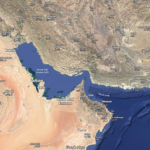
Somewhere in the Middle East, in the year of our Lord 2026, the United States launched a military operation against Iran. Operation Epic Fury they called it. The conflict triggered the closure of the Strait of Hormuz. This is one of the world’s most important oil corridors. About 20% of the world’s oil passes through that narrow stretch of water, and yes, some of what ends up in our pumps here in Ghana comes from that neighbourhood. So, when the strait closed, global crude oil prices shot up.
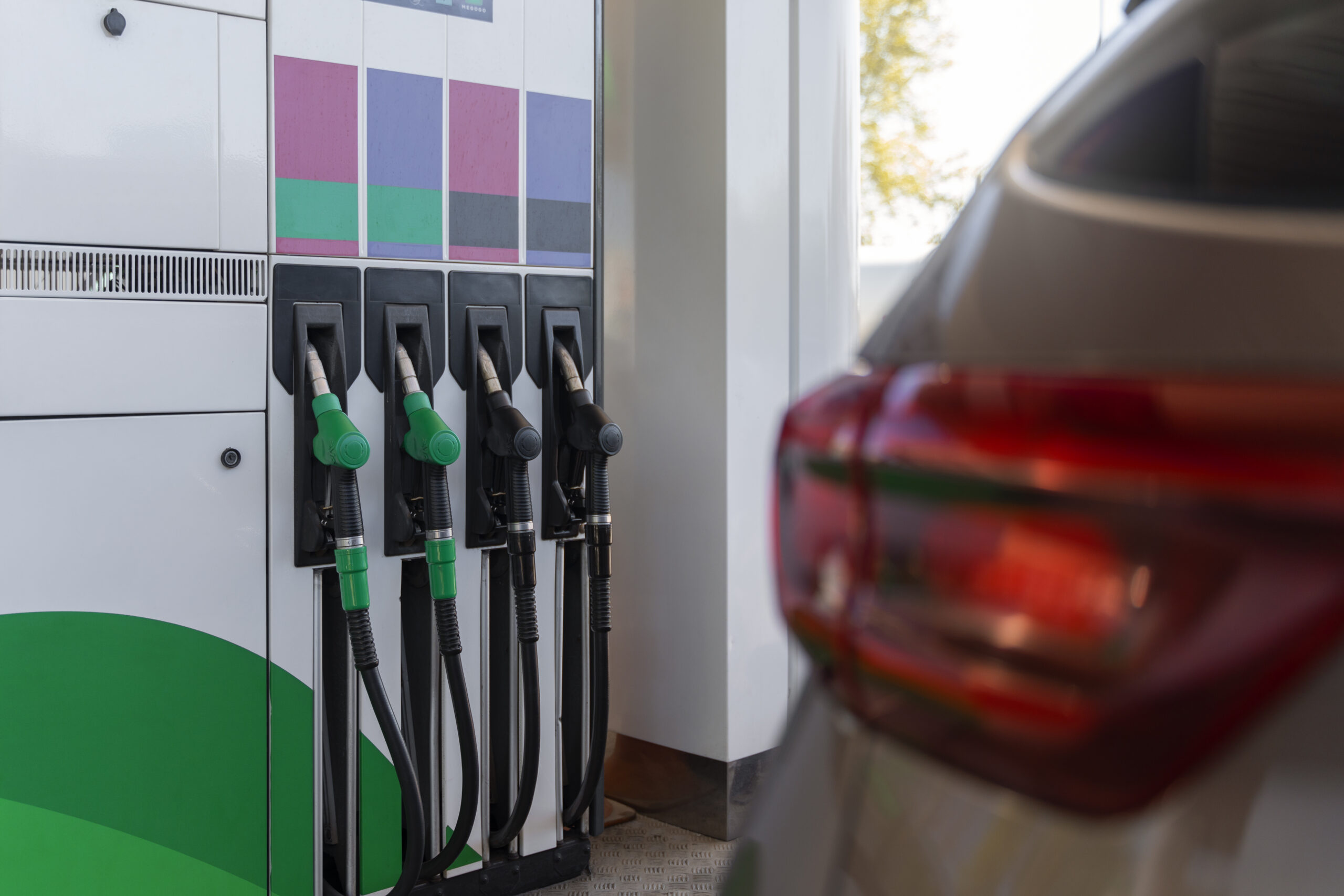
Ghana, which imports most of its refined fuel, felt that almost immediately. Fuel at the pumps increased. Now there is this thing that usually happens anytime fuel increases. Higher fuel prices means higher costs for transport operators. Higher costs for transport operators translates into higher trotro fares. Higher fares mean the cost of moving goods around the country goes up. See where I am getting at? The increase at the pump will eventually lead to a domino effect. Soon there might be no GHC 3 egg when you go and buy waakye. Before you know it, we’re back to a general rise in the cost of living. Inflation la.
And this is the painful part. Ghana had just gotten inflation under control. We were finally getting the chance to breathe small then bam this fuel wahala is threatening to undo all of that.
But wait. The government made a move
A couple of weeks after the increase, the government called an emergency Cabinet meeting and decided to act as shock absorbers. To understand what they are doing, let us see how fuel is priced in Ghana. When you pull up to a filling station and pay for a litre of petrol, that price is made up of three things: the import cost, taxes and levies and finally the distributor’s operations cost and profit. So, the government cannot do anything about the import cost. What it can touch is the taxes it has put on the fuel or maybe make a deal with the distributors to lower their profit margin. Surprisingly, they did not choose to do that.
Instead, they simply said: we’ll pay part of the bill on your behalf for one month. It would absorb GH₵2.00 per litre for anyone who buys diesel and GH₵0.36 per litre for anyone who buys petrol. How this works is that the distributors will reduce the prices they sell a litre of fuel at the pumps, then the government will bear the extra cost. Say for example, the price used to be GHC 10 for diesel but increased to GHC 13. GOIL will sell the diesel at GHC 11, then later, account for the number of lites they have sold, then government will multiply it by GHC 2 and pay them back. The Energy Ministry confirmed this would cost the government about GH₵200 million, something we did not plan for in 2026, hmmm.
What are the experts saying?
Although the relief is just for a month, it has been welcomed. However, the people who are experts in these things say that Ghana has been down this road before and it caused problems. So if the government is committed to doing this then it must start acting for the long term and invest seriously in the Tema Oil Refinery. It must also put aside emergency funds to deal specifically with these oil issues, because this is not the first and it definitely is not the last.
Discover more from ONE PAGE ECONOMICS
Subscribe to get the latest posts sent to your email.
Oh wow. I know understand what is happening. Thank you OPE
Thank you Sussana!
I am glad I could deliver.