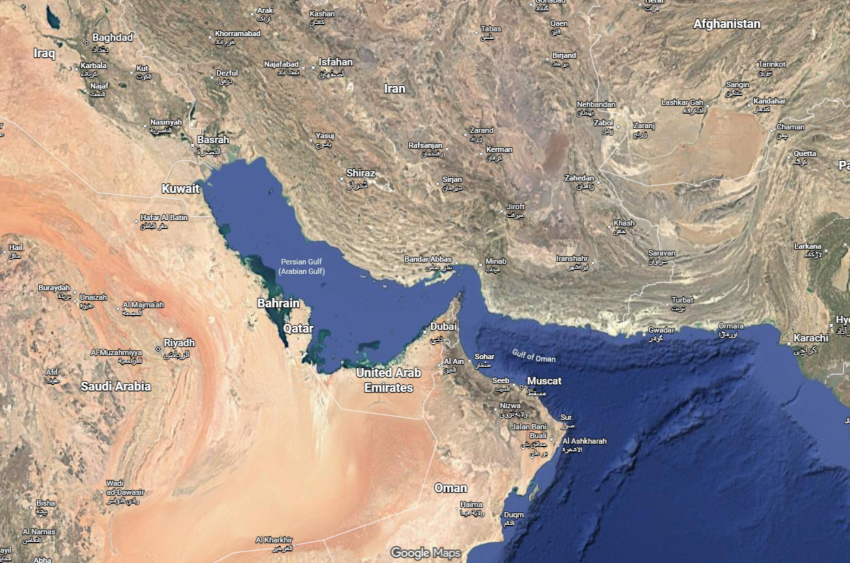
The moment we began April, we heard the price of petrol would be increased at the pump. This change has been somehow blamed on the US-Iran war. But how does Iran’s blocking of the Strait of Hormuz affect our fuel prices? It’s not like we get our fuel from anyone in that neighbourhood. OPE, explain it to me.
Well, Charley, the thing is, we actually do get some of our fuel from that neighbourhood. In 2023, for example, Ghana imported about 8.71 billion litres of fuel. Out of that, the countries in that neighbourhood, like the UAE, Bahrain, Saudi Arabia, Kuwait, Qatar and Oman together supplied around 975 million litres, about 12.5% of our total. So yes, some of the fuel that ends up in your car does come from there.
Here’s where basic economics comes in. Before the war, the world’s oil supply was more or less enough to go round. Everybody, or country in this case, got what they needed. Every day, the world consumes roughly 16 billion litres of oil. Producers pumped, refineries processed, ships delivered, and countries like Ghana bought what they needed at a relatively stable price. Then the US-Iran thing started, and Iran blocked the Strait of Hormuz. Blocking that place costs the world about 3.2 billion litres.
You notice that the demand didn’t change, but the supply reduced slightly while everybody still needed the same amount of fuel. We have all come to understand that when something is scarce, but everybody still wants it, the price go definitely go up. The refinery in the Netherlands selling to Ghana now has more buyers.
Think of it like this. Let’s say somehow the tomato supply going into Makola Market gets blocked. What happens is that once the people who buy from Makola realise there is no tomato, they start directing their attention to Kaneshie, Madina, Dansoman, everywhere. When this happens, economics tells us that the prices of tomatoes in the other markets will go up because we now have more people looking to buy tomatoes.
Sellers in these markets see it and adjust their prices because buyers are now competing for less. If you won’t buy, someone definitely will. If you really need the tomatoes, you just have to get them. The Strait of Hormuz blockade is similar. Block it, and the price of oil rises everywhere, even for the fuel coming to Ghana from the Netherlands or Russia.
So when the NPA raises the price floor at the pump, it’s not because a tanker headed for Tema got stuck somewhere in the Middle East. It’s because the world price of oil went up, and Ghana, which imports over 90% of its fuel, has no choice but to pay whatever the world is charging. Hopefully you get the picture. This is just one piece of the puzzle though so drop a comment if you want me to add more puzzle pieces.
Discover more from ONE PAGE ECONOMICS
Subscribe to get the latest posts sent to your email.
Once again, thank you OPE.
It’s well understood and pray that the war ceases.
It makes no sense. For decades we’ve asked: why does Ghana, a crude oil producer with its own refinery at Tema, still spend millions monthly importing fuel? TOR could be expanded to serve the whole country, but instead we reduced it to a warehouse for foreign refined products. That’s not just inefficient, it’s absurd!
You’re indeed right sir. This Iran conflict clearly exposes this. But the again I tend to consider, expanding TOR will likely take years and a lot of money, meaning we have to borrow. The same countries we will go to are the same countries we import from. It’s like funding your own competition. But the good news is that Dangote proved it is possible with his refinery in Nigeria, so we can learn from that and spearhead our own.
Well explained. Good job, Sir.
Got to ask this though, how far with Ghana’s oil discovered. Is it finished? Is China still milking away almost everything? Are we getting any benefit at all from that venture? Is it helpful in any way in this course?
Thank you!
Unfortunately, we are benefiting less and less. One news source reported Petroleum receipts fell from $1.36 billion in 2024 to $770 million in 2025. Moreover China is a small player here. Tullow Oil from the UK is the leading operators of the oil
Wow. Thank you for the update
You’re welcome sir!